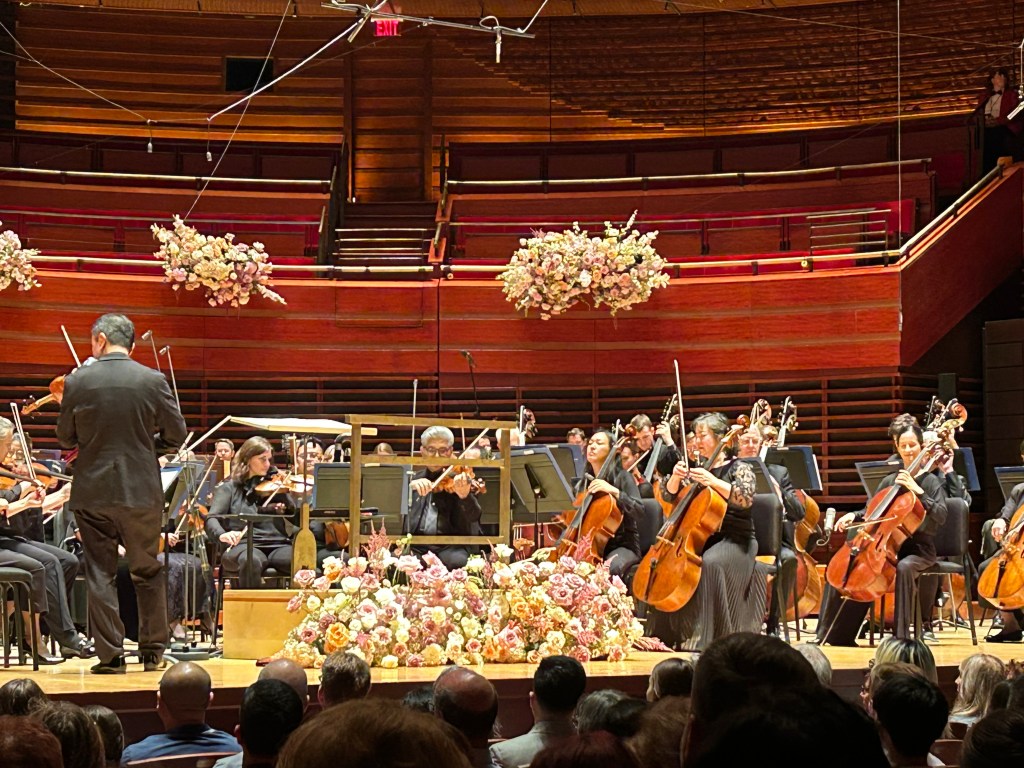
The shoes are shined. The tuxes are cleaned and pressed. The bow ties are straight. The ladies are in pearls. The fine dining is set for the donors. It is time for the Philadelphia Orchestra to impress at their opening gala of the 125th season.

Last week we saw a small group preview of this season under the baton of James Newton Howard. We are expecting much more from the full orchestra under Yannick Nézet-Séguin. To say that we have set the bar high is an understatement. We have come to expect near perfection from this orchestra, largely because they continue to deliver. Even listening to the concerts a second time on Sunday afternoons (broadcast at 1 p.m. eastern on WRTI.org), a discerning listener can hear the exacting precision of the string section, the clear notes from the woodwinds, the masterful timing from the percussionists, and the superior tones from the brass section. How long can the orchestra maintain the level of excellence from these past two seasons?
Those that attend many concerts and see groups repeatedly begin to recognize the collective soul of the unit. When musicians leave or join the orchestra, they take or bring something with them. We saw many new faces on the stage this evening joining many of our favorite returning orchestra members. How would these additions change the personality and feel of the ensemble?
Are our expectations too high? Perhaps even unfair? In a word, yes, perfection is an unrealistic standard.
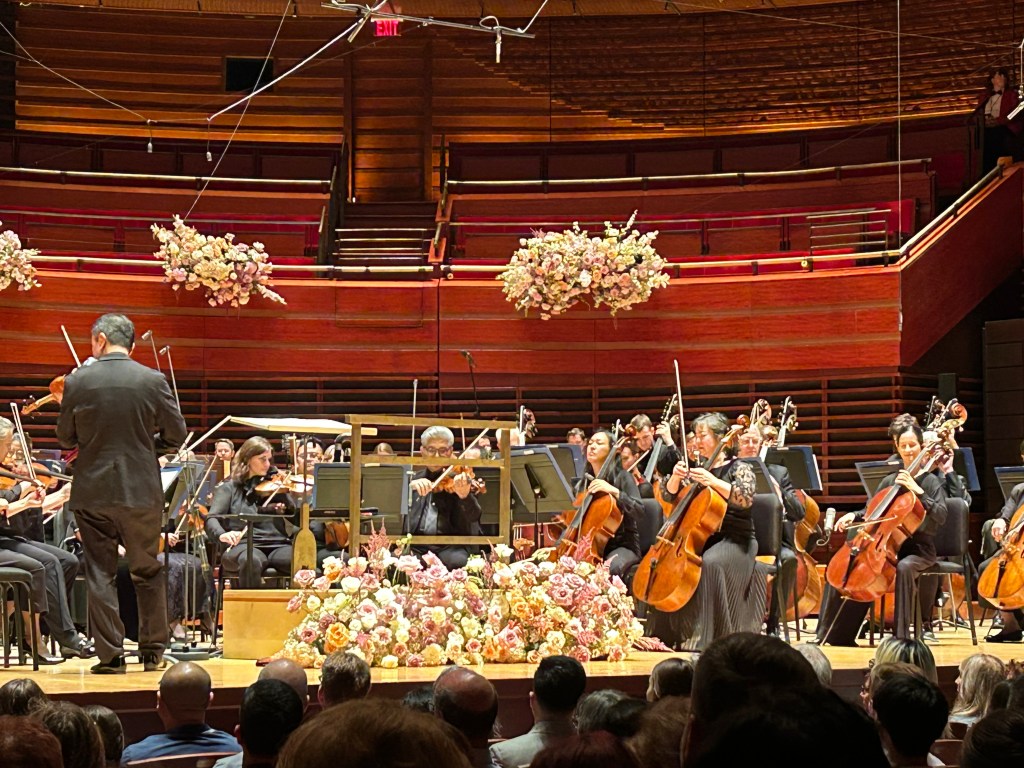
The evening began with the Orchestral Suite from Fire Shut Up in My Bones by Blanchard. This modern opera follows the life of Charles Blow, whose difficult life experiences led him to question whether he should take revenge on his abuser.
I was surprised at how much I enjoyed this orchestration and performance. The musicians treated the suite with a respect for the subject that demonstrated both understanding and empathy for the source material.
The piece carried significant weight with a broader depth of bass than most symphonic pieces. The percussion section proved up to the task. The brass section played with force, but a couple of them struggled with the exacting rhythmic skill demonstrated by the rest of the orchestra. They improved as the night went on. In spite of that small hiccup, I hope to hear this piece again one of these Sundays over the airwaves.
The next piece featured solo violinist, María Dueñas. She performed Bruch Violin Concerto No. 1 in G minor, Op. 26. She brought the unique frenetic intensity younger virtuosos tend towards. She did not play the piece, she attacked it with ferocity of a honey badger. This electrified the orchestra, who responded in kind. The piece felt new in her hands, in the best way possible.
The evening concluded with Tchaikovsky’s popular Fantasy-Overture, Romeo and Juliet. The orchestra leaned into the emotional highs and lows of their piece more than I heard in previous seasons.
They played it with an intensity that called for absolute attention, as though each line could lead to something you did not want to miss. It was a “don’t blink” performance. Perhaps it would not be the pinnacle recording of the piece, but we could not help but root for them. When the championship team plays like the underdog with something to prove, the results are fantastic!
Weighty. Electric. Emotional. Intense. Youthful. If the Philidelphia Orchestra’s goal was to show us just what they are capable with this year’s collection of musicians, they far surpassed their goal. The orchestra felt more fresh, intensive, emotionally intelligent, and eager than last year’s more conservative masters. If Yannick can guide to the past levels of precision without trying to tame the fire of their musical souls, this season is going to be something special.
I left Marion Anderson energized by the music, and that is a wonderful feeling for a night at the orchestra.
*we were invited to facilitate a feature, all opinions are our own*


 the mommy avenger
Leave a comment