We are just past the midpoint of the Philadelphia Orchestra’s 125th season, and the celebration continued this evening with a program of three works whose continental premieres were delivered by this very ensemble. With Yannick Nézet-Séguin on the podium, there was little doubt the orchestra would perform with its trademark rhythmic precision and muscular vitality. As expected, it did.
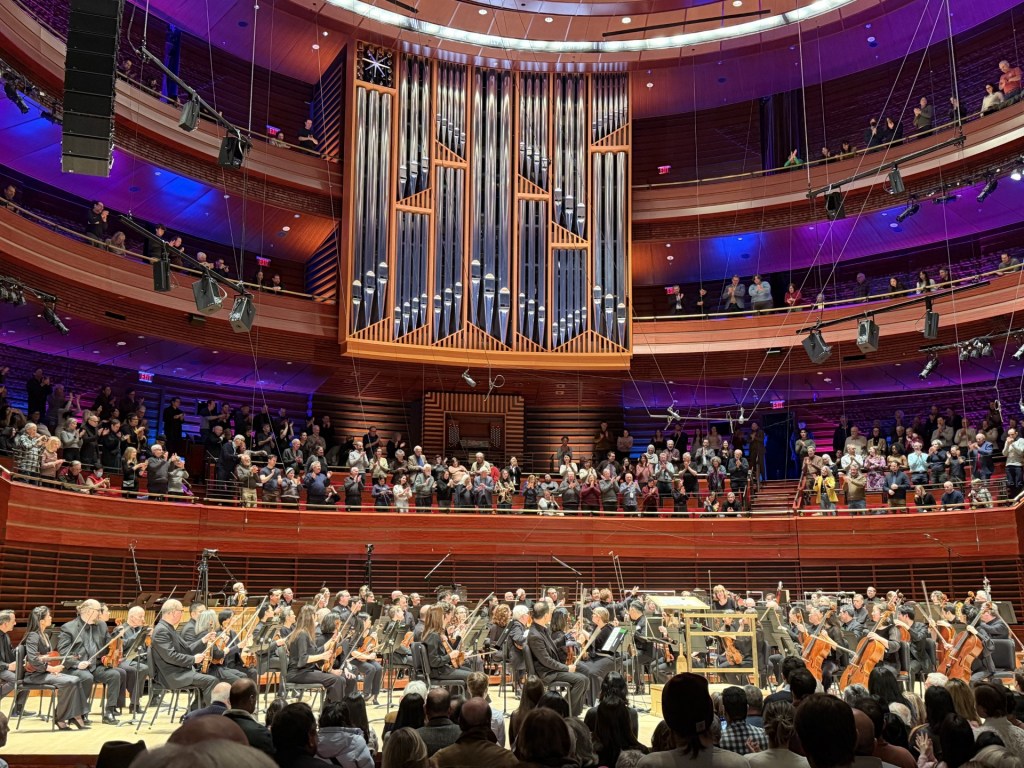
All three works on the program were considered rebellious at their premieres. The evening opened with Ravel’s Ma Mère l’Oye (Mother Goose) Suite, music that feels like a finely curated box of assorted sweets. Tonight, dessert came first.
The opening movement, Pavane de la Belle au bois dormant (Pavane of Sleeping Beauty), tasted like rich licorice—smooth, comforting, with a faint medicinal bite. The orchestra shaped it more meditatively than in most recordings, lingering lovingly over its fragile calm.
Next came Petit Poucet (Tom Thumb), the sour lemon drop of the assortment, veering between emotional extremes. The musicians darted through the score, springing musical jump scares from every staff in this shadowy forest of a composition.
By the third movement, Laideronnette, Impératrice des Pagodes, Nézet-Séguin was fully immersed. His physicality seemed to slither through the music as the orchestra unleashed a piece of unsweetened dark chocolate—bitter, exotic, and unflinching. The movement evokes the savage pain inflicted by a scorned queen upon a young princess before resolving into reunion and release.
Les Entretiens de la Belle et de la Bête (The Conversations of Beauty and the Beast) followed, asking as many questions as it answered. This was the peanut brittle of the box: brittle, surprising, and slyly satisfying.
The suite concluded with Le Jardin féerique (The Fairy Garden), a hopeful fanfare that rinsed away lingering tension like a York Peppermint Patty. Cool, refreshing, and conclusive, dessert ended beautifully.
Nézet-Séguin demanded a deeper emotional investment from his players than we often hear in this repertoire, and the resulting storm plunged straight into the audience’s emotional core.
If Ravel’s suite was a box of sweets, Shostakovich’s Piano Concerto No. 1 was grandma’s legendary casserole of leftovers—the one where everything from the week’s refrigerator somehow combines into something miraculous. When asked how she does it, she simply says, “love.” Who else would pair a piano and a trumpet in a concerto?
Shostakovich quotes no fewer than eight recognizable works, and the resulting dinner-table conversation crackles with wit and irreverence. The banter never grows stale; instead, it delights, surprises, and ultimately satisfies.
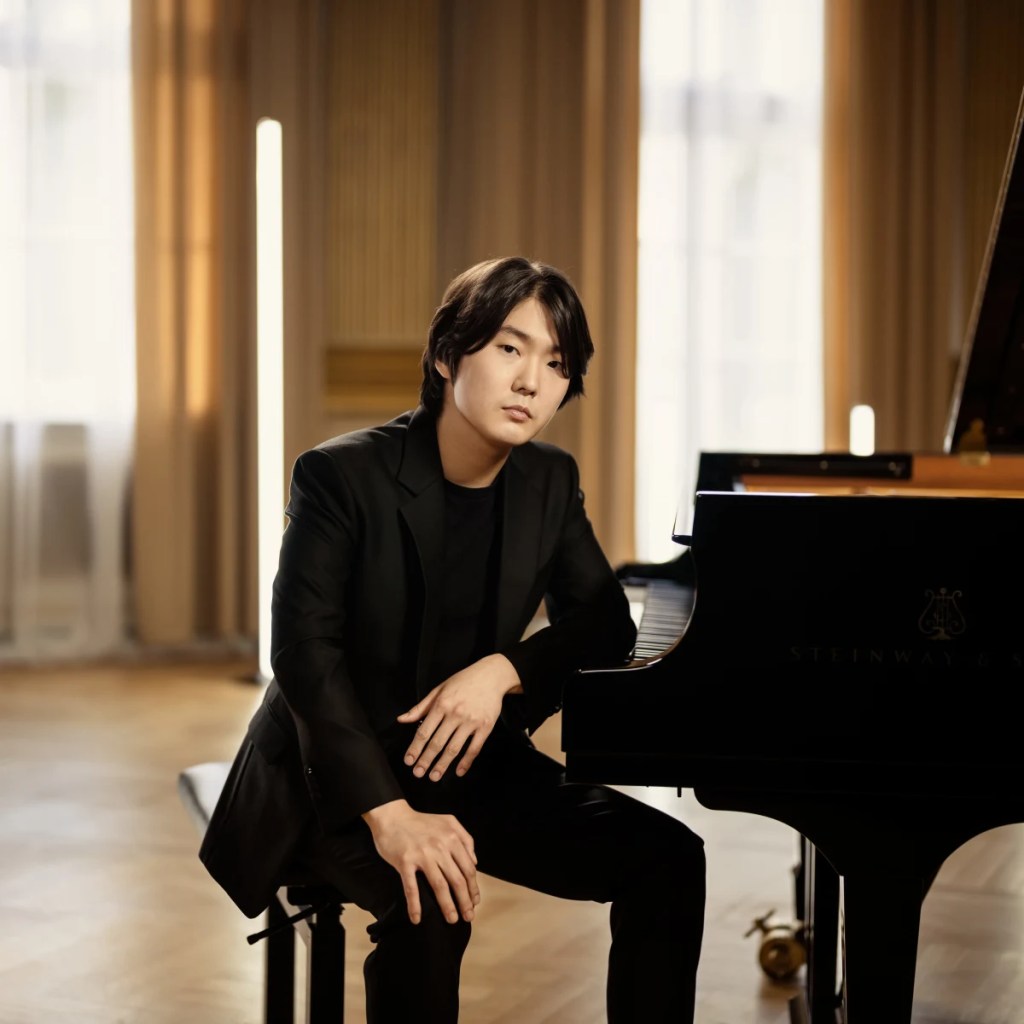
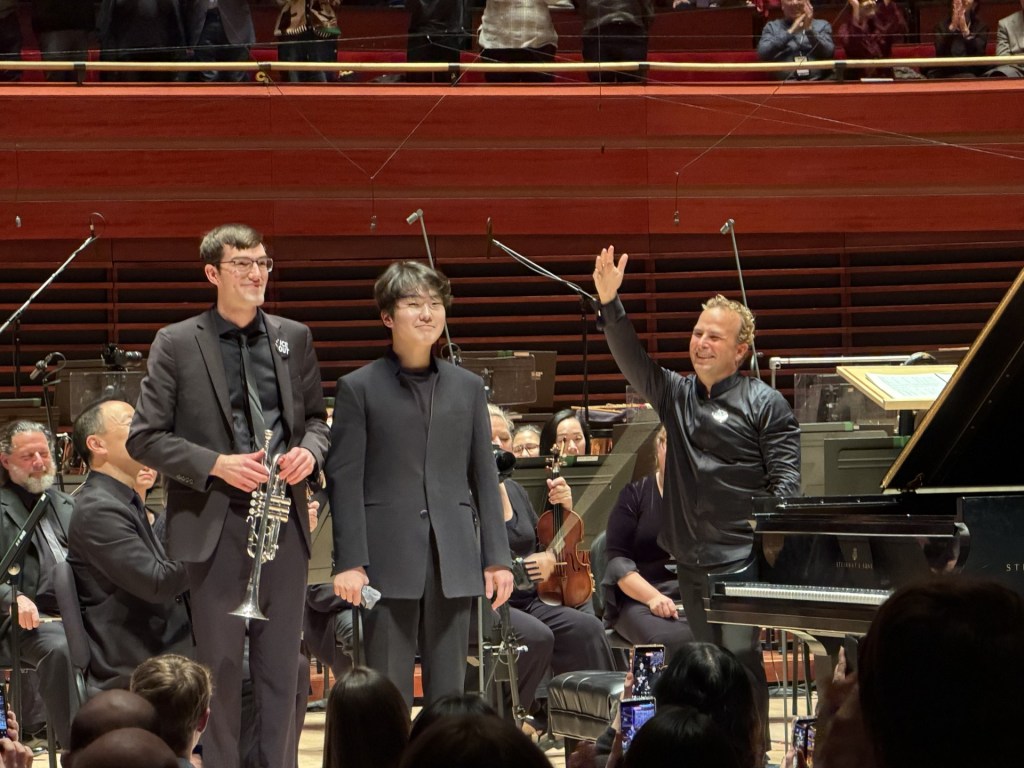
Pianist Seong-Jin Cho, who rose to international prominence after winning the Chopin International Piano Competition in 2015 and soon after signed an exclusive contract with Deutsche Grammophon, delivered a performance of commanding dynamism. His technical control was breathtaking, matched by astonishing speed and clarity.
Solo trumpeter David Bilger embraced the spotlight without hesitation, boldly matching Cho’s velocity, power, and precision. Though his role may resemble the side dish on the plate, it proved indispensable—and, for many in the audience, irresistibly appealing. While the trumpet part lacks the sheer difficulty of the piano’s relentless demands, his playing was consistently impressive and deeply satisfying.
Following a standing ovation, the two soloists offered a Debussy encore as a duet, bathing the hall in calm before intermission.
Stravinsky’s The Rite of Spring closed the evening, infamous since its Paris premiere for igniting outrage. In an era obsessed with elegance and harmonic beauty, this music landed like a debut album by the Ramones or the Clash—brutally rhythmic, aggressively dissonant, and unapologetically uninterested in soothing the listener. Even today, it elevates heart rates and induces visceral unease.
The narrative—a young pagan girl dancing herself to death to ensure the return of spring—only deepened the scandal. Violent, seductive, and ferociously physical, the work once drove audiences to near-riot, sharply dividing opinion.
This piece feels like eating a breakfast burrito from a dubious food stand after a 72-hour fast: you know disaster looms, yet you proceed anyway. The orchestra attacked it with the frenetic intensity of trench warfare, leaving listeners stunned by the emotional shrapnel.
Those who arrived prepared experienced a tour de force worthy of a Grammy-winning recording. Those who did not left utterly flabbergasted.
Programs may change, but one truth remains constant: when visiting the Philadelphia Orchestra, audiences are always fed the finest ingredients—expertly prepared, harmoniously balanced, and served to perfection.


 the mommy avenger
Leave a comment