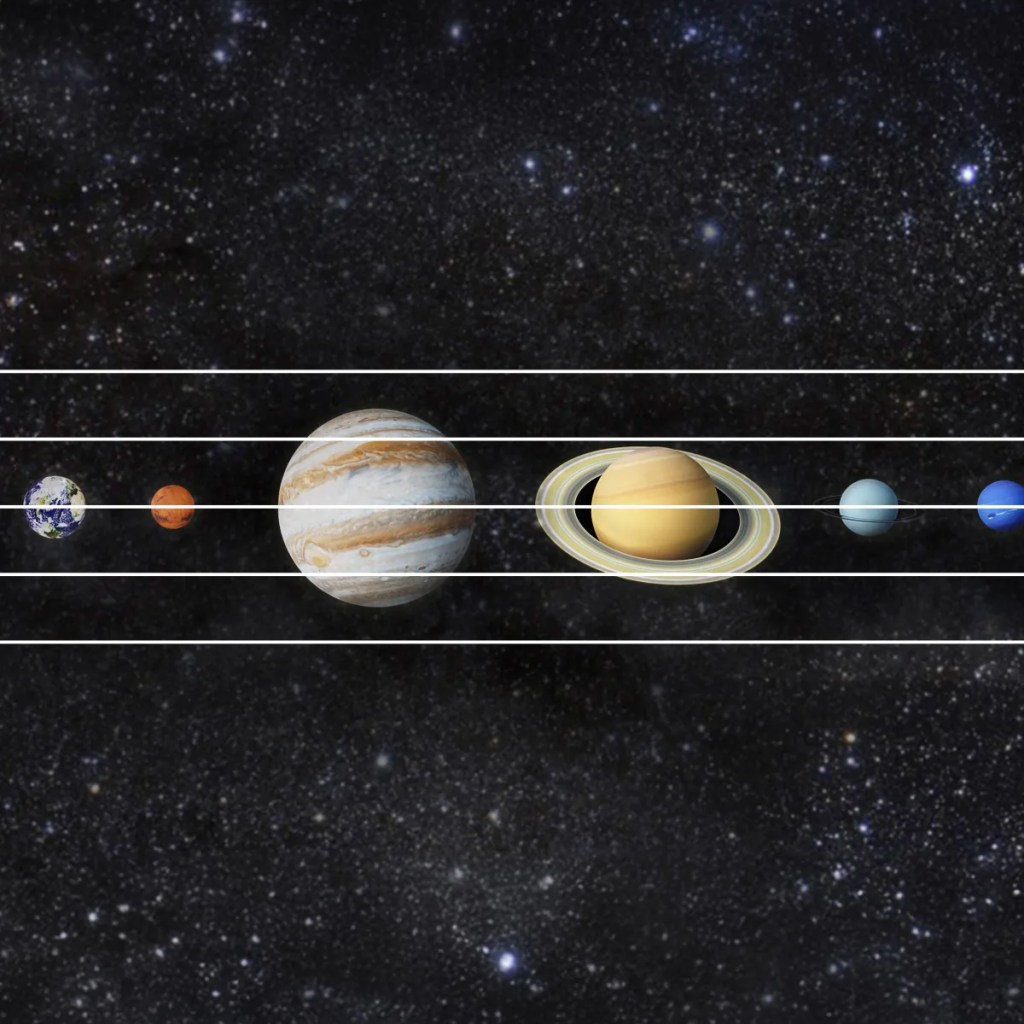
You may be wondering why there is another review for Holst’s The Planets within the week. There are two reasons. First, it is Holst’s The Planets. If you read our last review, you know how much we love this composition. Second, we wanted to hear how the New Jersey Symphony stacked up against the world class Philadelphia Orchestra when performing the same music. This was our first opportunity to hear both play the same piece within days of each other.
While the New Jersey Symphony put on a great performance, well worth the ticket price in more accessible locations, the Philadelphia Orchestra remains in class of its own for multiple reasons.
First, the absolute precision of rhythm and unity between the performers, who are clearly at the peak of musicianship. There is a level of exactness that remains unmatched.
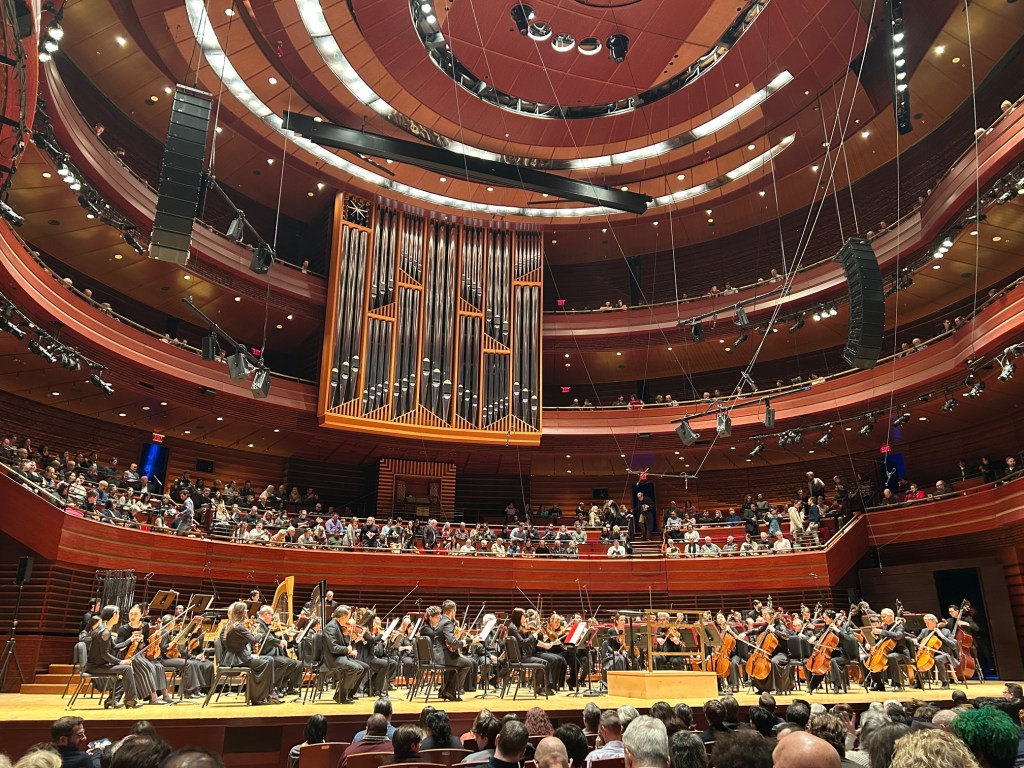
Second, in comparison to the full orchestra playing in Marion Anderson Hall, the New Jersey Symphony comes across as a little anemic: like chili with cornbread compared to pot roast with homemade dumplings. Both are wonderful meals, satisfying and enjoyable, but the Philadelphia Orchestra, like the pot roast, is much richer fare.
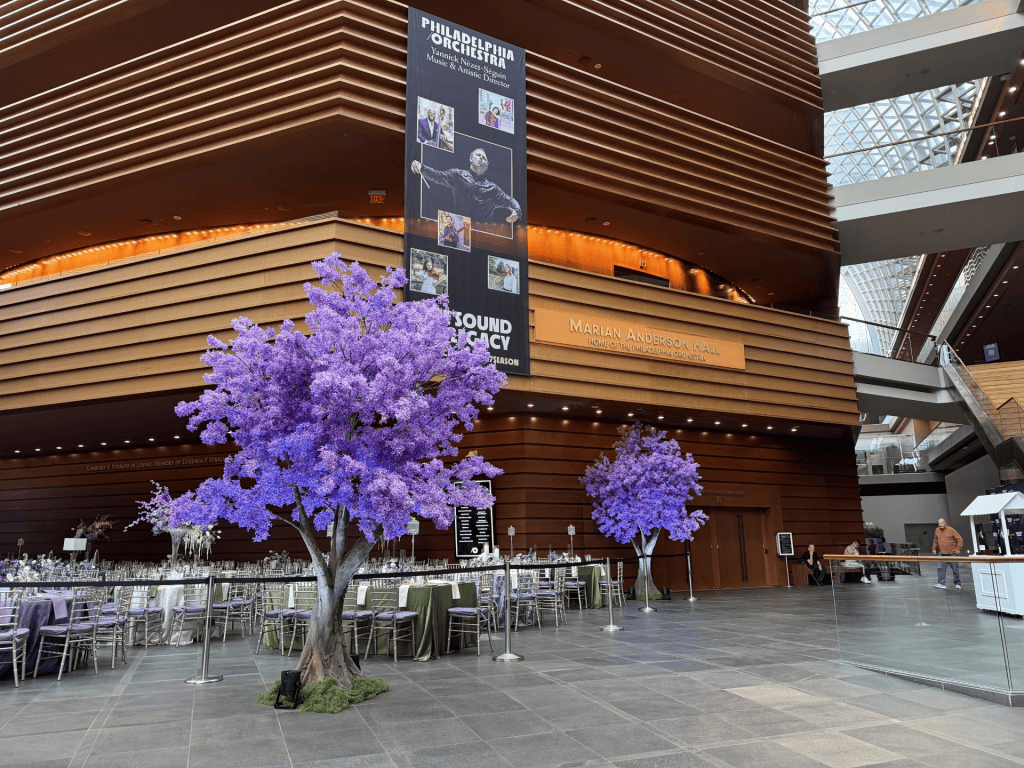
Third, while the New Jersey Symphony does an excellent job of creating an approachable environment, drawing in a broader audience with more locations, the concertmasters and ushers at Marion Anderson Hall have carefully curated audience etiquette over the years. This creates a classier feeling of formality that many look for in a classical performance. It also eliminates distractions and inappropriate audience interaction. Not everybody who enjoys a good concert cares about that aspect of the experience, but we do.
Fourth, Marion Anderson Hall is a masterpiece of acoustic engineering, designed to be one of the best in the world, and the sound quality is astounding.
I believe there is a need and place for both of these wonderful performing groups, and while the New Jersey Symphony can hold its’ own against any other state orchestra, it is completely outmatched by the Philadelphia Orchestra when placed side by side. That said, we enjoyed both performances and felt both were worth the time and cost.
Enough comparisons, let’s discuss this evening’s performance.
Conductor Daniele Rustioni did well to bring out dynamic interactions between the different sections. His theatrical style mirrors more of the great conductors of the past whose conducting constituted a large part of the performance. I prefer a bit more subdued performance to keep my focus on the music, but others in our family enjoy this style.
The orchestra started with Alborada del gracioso, a piece depicting the quiet of dawn. They played the instrumental bird with sublime beauty. It is nice to hear a composition by Ravel other than Bolero; his signature style of extremely quiet followed by great swells and brass. The musicians demonstrated superior control of the dynamic range, matching each other with precise control worthy of recording—which, as we have mentioned before, these concerts can be heard online on WRTI Sunday afternoons.
The second piece featured Paul Jacobs on the organ who continued this evening’s demonstration of exceptional dynamic control. The organ and orchestra accented danced together through the piece in perfect partnership highlighting and passing the melodies with the deftness of an Olympic volleyball setter.
This performance led to a well deserved organ encore in which Mr. Jacobs showcased his capacity to use all four limbs practically the entire time.
No other orchestra seems to play with the level of precision constantly on display by this group. This came on display particularly with the Mars movement. Something else they do uncommonly well is hit the fortissimo portions of the piece without becoming overbearing. The brass never washed out the other sections, which allows all of the colors to dance together beautifully. I had never heard the harp in the Venus movement with the clarity permitted by the musicians this evening.
The orchestra moved with excellent speed through Mercury, a bit faster than usual, but this resulted in a sense of urgency that I enjoyed.
I do not believe the Jupiter movement could be played better. The orchestra matched the tone and vibrato in this movement creating a magical moment that left the audience amazed. It was as though time slowed down and we realized we were a part of a something special, a moment unlikely to be repeated. This alone was worth the price of admission, but the rest of the concert was likewise fantastic.
Saturn, Uranus, Neptune, felt like a victory lap after Jupiter. The choir enhanced the latter movement by doing the simple things they teach in high school choir so well, like vowel shapes, breathing, and singing through the chest instead of in the head.
I think I will tune in to listen to this one again. If they make this into a recording, it may be a modern definitive rendition. Where earlier this week the French horn and the percussion struggled with the difficulty of the piece, these groups both earn massive applause. The audience knew what they received and responded appropriately.
To learn more about upcoming performances at the Philadelphia Orchestra, visit them online.
*we were invited to facilitate a feature, all opinions are our own*




Leave a comment